Dyson Farming

Search
Categories
News Research

Driving the future of sustainable low‑input potato growing

Driving the future of sustainable low‑input potato growing

Dyson Farming Research is pleased to be part of a new farmer‑led collaboration with Colwith Farm Potatoes Ltd and SDF Agriculture Ltd, funded by Defra and delivered through the Innovate UK ADOPT programme. The partnership brings together commercial farming expertise, agronomy specialists and applied research capability to accelerate the development of a next‑generation low‑input potato production system.

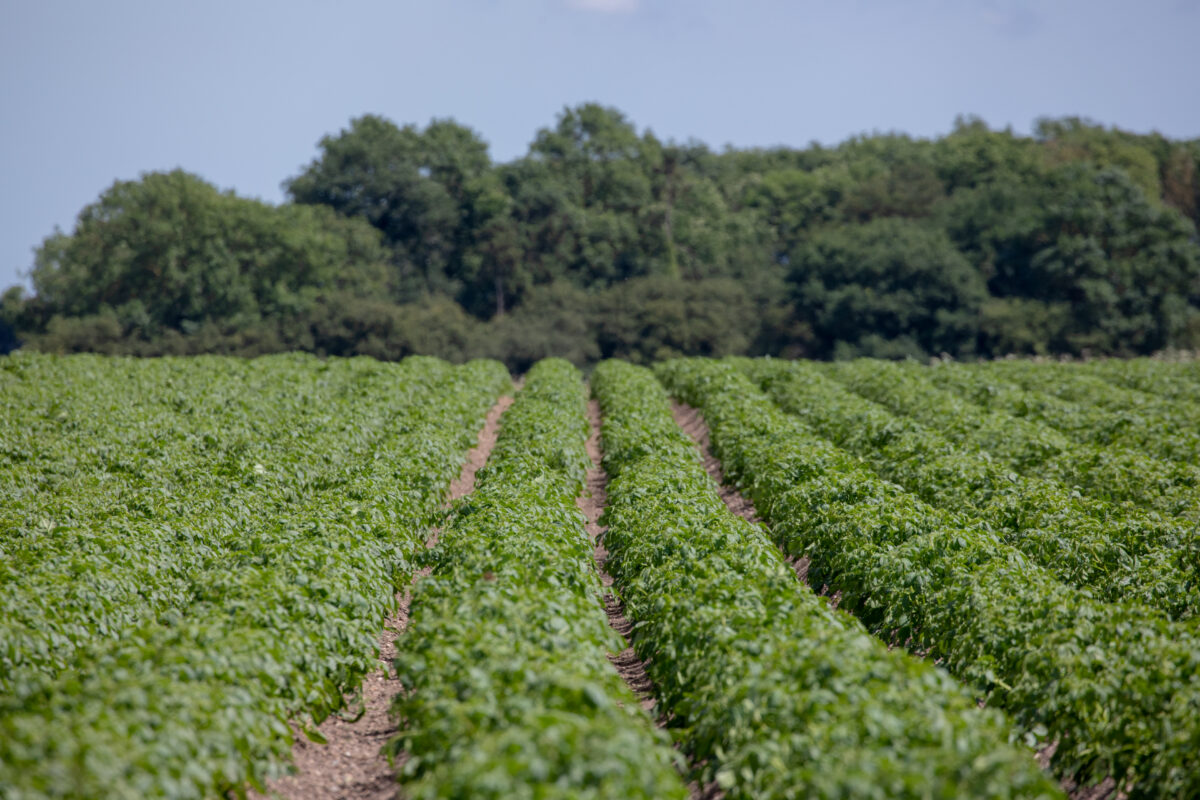
The project will investigate how precision foliar nutrition and advanced microbial biostimulants can work together to reduce reliance on soil‑applied fertilisers and fungicides. Earlier work supported by Innovate UK has shown that these approaches have the potential to cut synthetic inputs significantly while supporting strong crop growth, improved tuber quality and greater resilience in challenging seasons. For growers, this could translate into lower production costs, reduced environmental impact and more reliable performance in increasingly variable weather conditions.

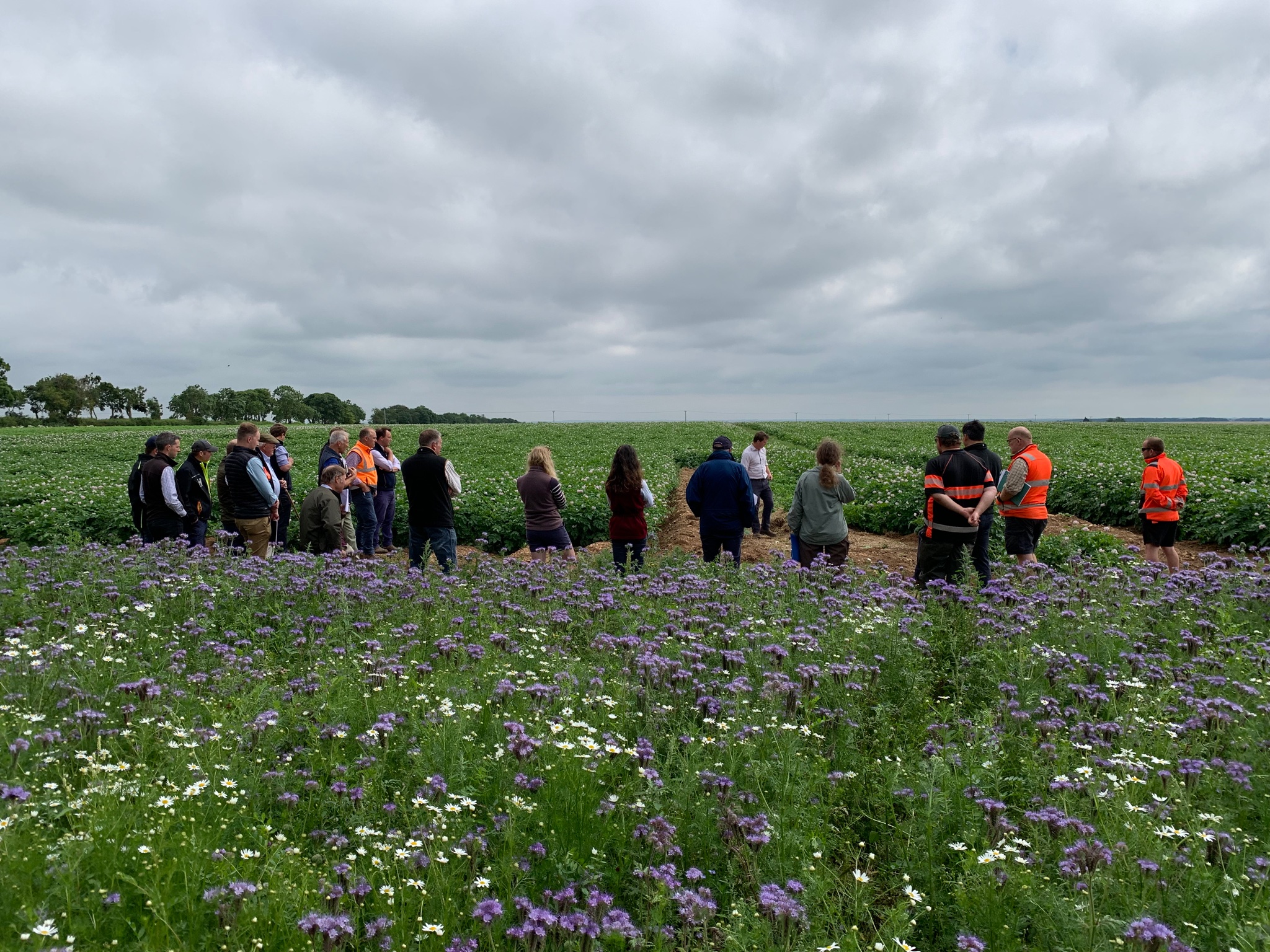
Dyson Farming Research will lead a programme of replicated field trials across contrasting soil types, using detailed crop monitoring and nutrient‑uptake analysis to understand how different treatment combinations perform. These scientific trials will run alongside commercial‑scale split‑field testing carried out by Colwith Farm Potatoes and three SDF Agriculture growers, ensuring the results are both robust and directly applicable to real‑world farming systems.

We believe this work has the potential to deliver meaningful benefits for UK potato growers and the wider arable sector. By combining rigorous science with practical, on‑farm validation, the consortium aims to provide growers with clear, evidence‑based pathways to reduce inputs without compromising yield or quality. Insights, data and technical guidance generated through the project will be shared with our wider farming network, with in‑depth findings made available exclusively to Dyson Farming Research members.

Head Office

The Estate Office,
Cyclone Way, Nocton,
Lincoln LN4 2GR

We would love to
hear from you

Categories
News Research

Unlocking higher wheat yields through photosynthetic innovation

Exploring potatoes as a dual‑output crop for food and fibre

Dyson Farming Research is pleased to announce its involvement in a new partnership with Wild Bioscience, KWS Group and Andrew Newby, supported by Innovate UK and DEFRA’s Farming Innovation Programme. The collaboration brings together scientific innovation, seed breeding and commercial farming expertise to accelerate the development of photosynthetically enhanced wheat; varieties designed to make better use of sunlight and deliver stronger, more reliable yields for UK growers.

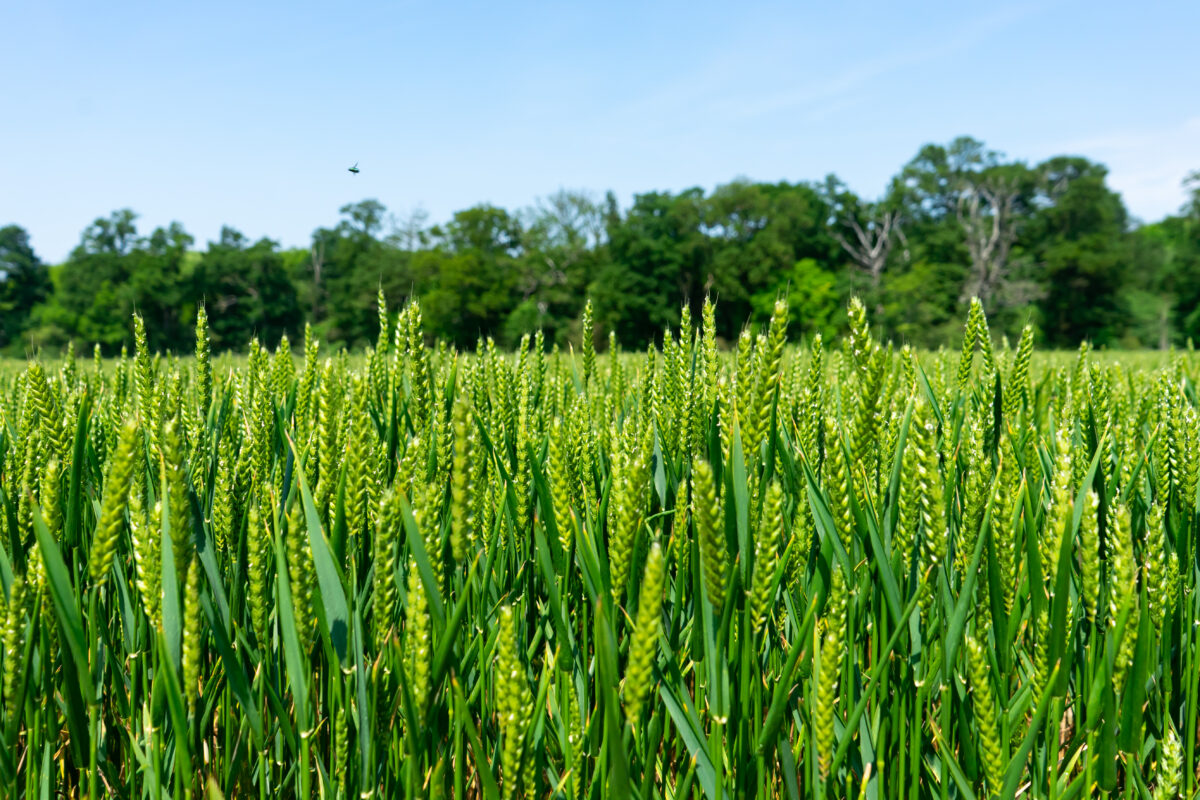
The project focuses on improving photosynthetic efficiency, helping wheat convert light into energy more effectively. For growers, this could mean higher yields without increasing fertiliser or other inputs, improved resilience in difficult seasons, and a crop that makes better use of the resources already available. This approach aligns closely with Dyson Farming Research’s commitment to advancing sustainable, productive agriculture through evidence-based innovation.

We believe this partnership has the potential to deliver real value for British arable farming. By combining cutting-edge science with large-scale, practical field testing, the consortium aims to bring forward wheat varieties that support both profitability and environmental responsibility. Everything we learn through this work will be shared with our wider farming network, with in‑depth insights and data made available exclusively to Dyson Farming Research members.

Head Office

The Estate Office,
Cyclone Way, Nocton,
Lincoln LN4 2GR
We would love to
hear from you

Categories
News Research

Dyson Farming Research: low carbon fertiliser trial

Dyson Farming Research takes a step forward in reducing synthetic nitrogen through low carbon fertiliser trial

Dyson Farming Research are members of a consortium which has been successful in securing funding from Innovate UK for a project which will help boost the sustainability of growing arable crops.

The project consortium is led by Crop Intellect Ltd and includes, Barworth Research, University of Lincoln, CHAP, and The Allerton Project.

Multi-location field trials hosted at Dyson Farming Ltd will test how the Crop Intellect Ltd R-Leaf product can be used with endophyte prototypes to combine their nitrogen-fixing benefits. The trials aim to reduce an estimated 50% of synthetic nitrogen fertiliser applied to wheat under standard farming practice.

Richard Meredith, Head of Dyson Farming Research, said, “We’re thrilled to be part of this project and see large potential in how it can help reduce farm input costs while improve soil health through reduced synthetic nitrogen fertiliser use. It will contribute directly towards net zero emission targets in agriculture and impact positively across the entire agri-food supply chain, from farm to retailers and end consumers.”

The results from this project will also be shared with Dyson Farming Research members at its upcoming technical events. For more information on membership, contact Richard Meredith at Richard.meredith@dysonfarming.com or 07717 493015.

Head Office

The Estate Office,
Cyclone Way, Nocton,
Lincoln LN4 2GR

We would love to
hear from you

Categories
News Research

Dyson Farming Research provides farmer-led innovation for the potato sector


Dyson Farming Research provides boost for farmers and the environment

Dyson Farming Research is the lead partner in a new project that will improve farm sustainability and profitability by developing an understanding of how potatoes can be grown in a more environmentally friendly manner. 

Transformative Reduced Input in Potatoes (TRIP) is a 36-month research programme to develop cost-effective regenerative farming methods for the potato sector. The project is a series of connected trials which will connect R&D for: 

  • Innovative plant nutrition approaches
  • Reduced and no-tillage methods
  • Using novel low-input potato cultivars with a longer natural dormancy level
  • Developing new integrated pest management methods 

The Dyson Farming Research team will work with the project partners to provide research that will boost confidence when aiming to lower the use of chemical inputs.

TRIP will help the potato sector in its journey towards Net Zero by demonstrating how using regenerative methods for potato growing can potentially reduce GHG emissions and build soil organic matter and its carbon sequestration. The research outcomes will provide other potato growers with substantial savings in nitrogen fertilisers, fuel and storage.


Funded by Innovate UK, TRIP is a partnership led by Dyson Farming with partners The James Hutton Institute, Bangor University, Light Science Technologies, Emerald Research, SDF Agriculture, Colwith Farm Potatoes, FG Pryor & Son and CP Richards & Son.

Richard Meredith, Head of Dyson Farming Research, said, “A more regenerative approach to potato production will help us to maintain the efforts we take to improve our soils while also potentially reducing our production costs. We’re delighted to be working in this farmer-led partnership to help deliver a more sustainable potato sector.”

The results of this project will be shared with Dyson Farming Research members at upcoming events. For more information on memberships and to join, contact Richard Meredith at Richard.meredith@dysonfarming.com or 07717 493015.

Head Office

The Estate Office,
Cyclone Way, Nocton,
Lincoln LN4 2GR

We would love to
hear from you